Why Storage Conditions Matter
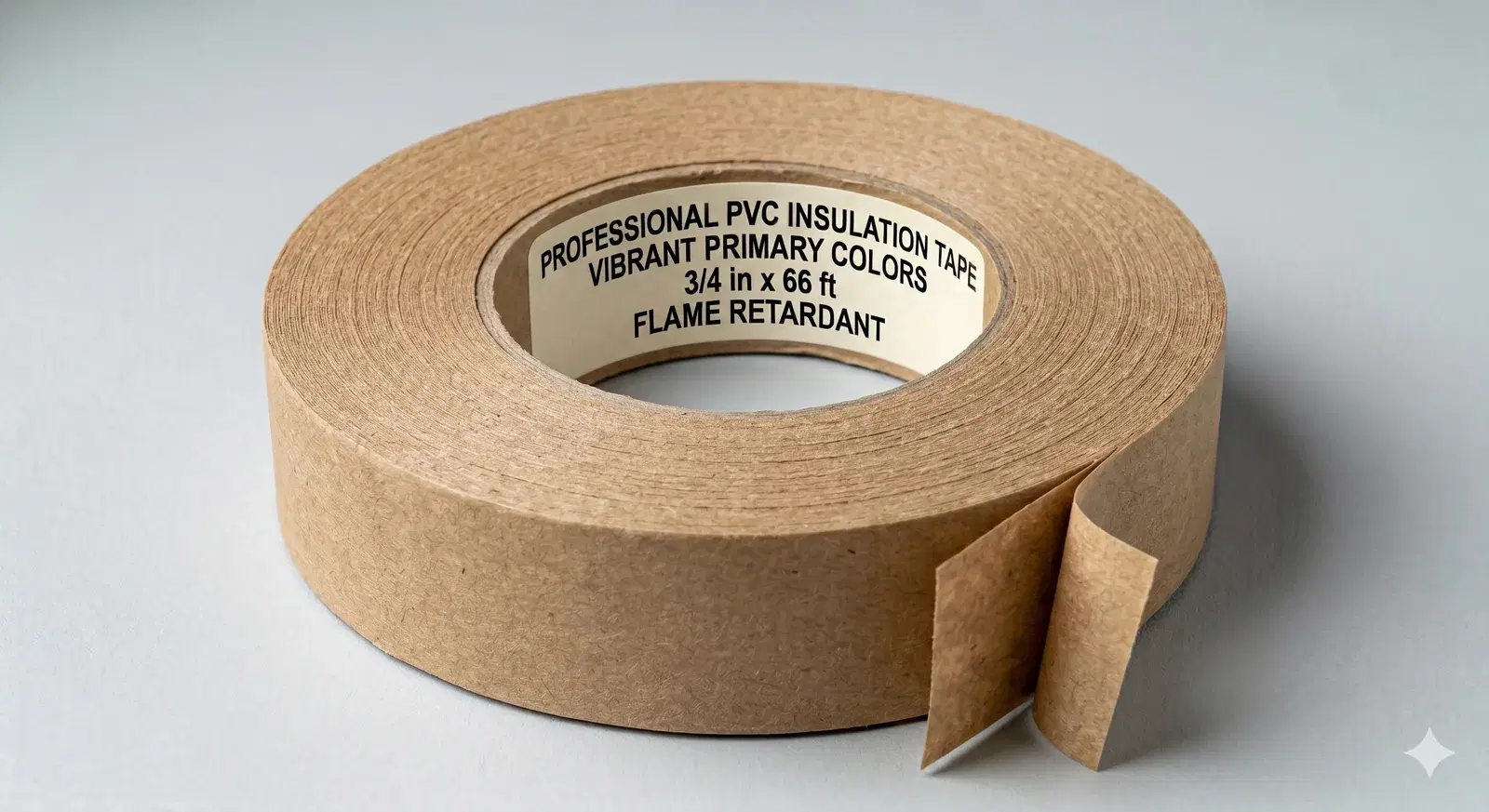
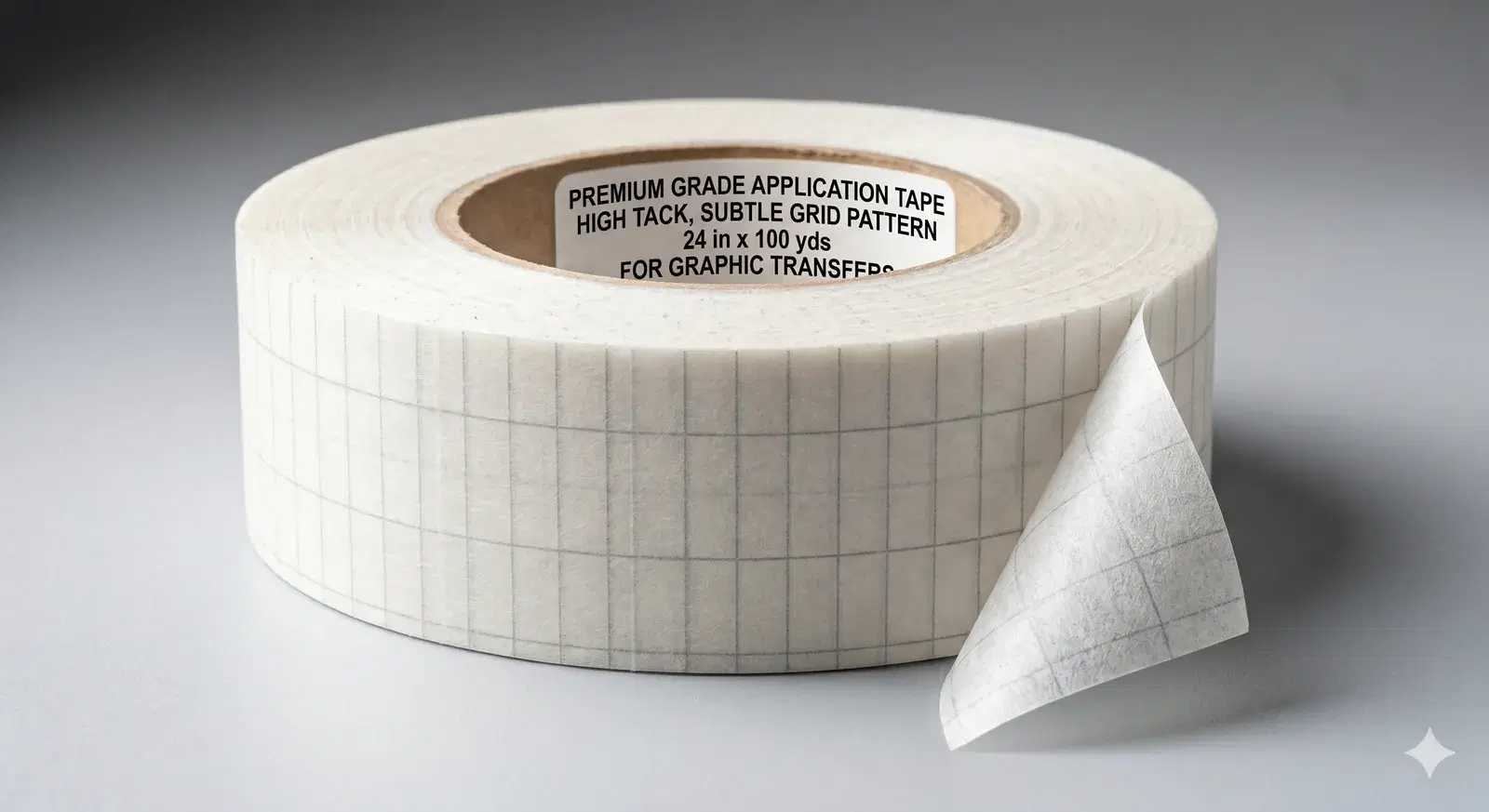
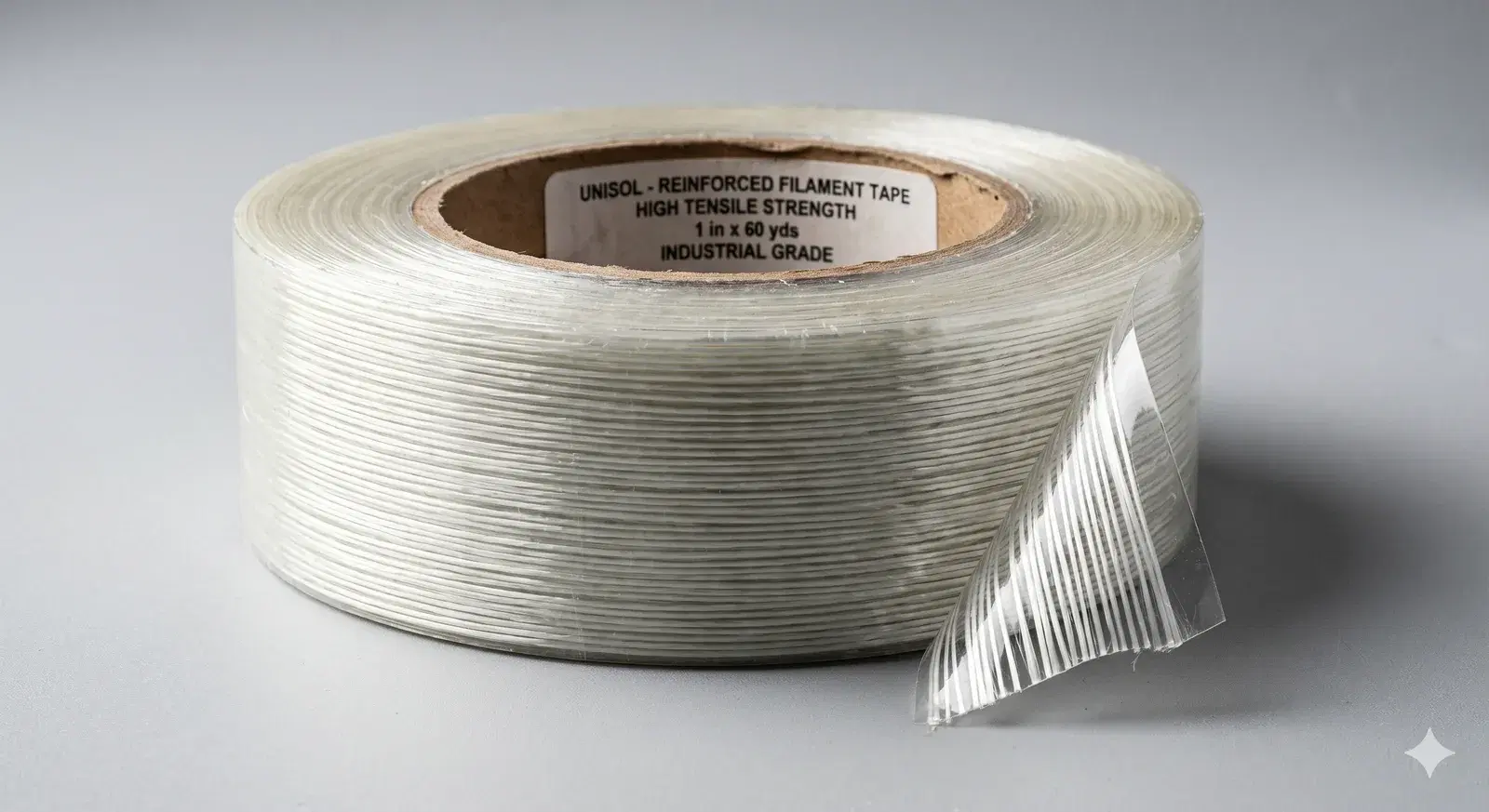
Pressure-sensitive tapes are engineered systems made from a backing, adhesive, primer, and release liner. Excessive heat, moisture, dust, direct sunlight, deformation, or long storage can change how a roll unwinds and bonds.
The exact storage limits and shelf life vary by product. Treat the current manufacturer data sheet and packaging label as the controlling instructions.
Receiving Checklist
- • Inspect cartons for water exposure, crushing, punctures, or contamination.
- • Confirm the product description, dimensions, batch information, and quantity against the order.
- • Keep labels and batch details available for traceability.
- • Isolate damaged or questionable rolls until they are evaluated.
Storage Checklist
- • Store rolls in their original packaging until required.
- • Use a clean, dry area away from direct sunlight, heaters, roofs with high radiant heat, and chemical fumes.
- • Avoid stacking cartons beyond their safe load because pressure can deform rolls and edges.
- • Keep tape away from dust-producing cutting, grinding, and fabrication operations.
- • Follow the product-specific temperature and humidity range rather than relying on one rule for every tape.
Use Stock Rotation
Use first-in, first-out rotation unless the supplier specifies another method. Mark incoming cartons with the receipt date and keep older compatible stock accessible. Rotation reduces the chance that rolls remain unnoticed at the back of a warehouse.
Condition Before Application
If tape has been transported or stored in substantially different conditions from the work area, allow it to reach the application environment before testing or use. Applying cold tape to a cold or damp substrate can produce a different result from a controlled trial.
Run a Representative Trial
Test the actual tape batch on the actual substrate. Include realistic cleaning, application pressure, dwell time, temperature, load, and exposure. A quick finger-tack check is not a substitute for an application trial.
When to Ask for Support
Contact the supplier if packaging is damaged, shelf-life information is unclear, unwind behavior has changed, adhesive has transferred, roll edges are distorted, or the application conditions fall outside the published range.
Share the product, batch details, storage history, substrate, cleaning process, and photographs when requesting assistance. Contact our team for product-specific guidance.